Bulldozer Embroidery Design: Real-World Review
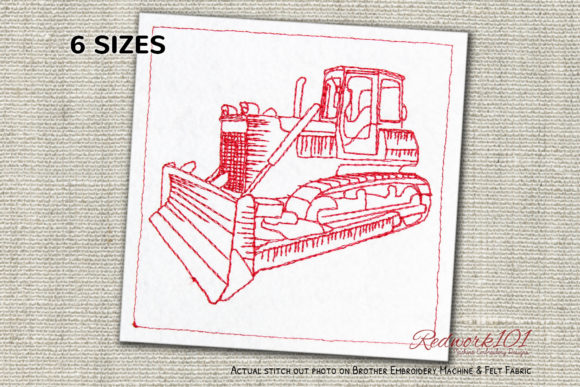
When I first opened the Bulldozer machine embroidery design, I was struck by its confident, grounded presence. This is not a fussy or overly decorative piece. It is a straightforward, sturdy bluework embroidery that carries a sense of purpose and strength. The design centers on a bulldozer rendered in clean, deliberate lines, with enough detail to feel mechanical but not so much that it becomes cluttered. The optional box stitch adds a finished border, but I found that skipping it gave the design a more open, airy feel that works beautifully on simpler projects. The outer box color, as noted in the description, can be customized or omitted entirely, which gives you flexibility depending on your project vision. For a transportation-themed embroidery, this design hits a sweet spot between playful and professional.
First Impressions: Mood, Shape, and Visual Personality
The mood of Bulldozer is unmistakably sturdy and workmanlike. It evokes construction sites, heavy machinery, and the kind of hands-on labor that builds things from the ground up. The shape is compact and well-proportioned, with the bulldozer sitting squarely in the hoop. The layout feels balanced, with the machine occupying the center and the optional box framing it neatly if you choose to include it. The detail level is moderate: you get the tracks, the blade, the cab, and the exhaust stack, all rendered in a style that reads clearly at a glance. This is not a hyper-realistic rendering, and that is a strength. It works as a recognizable icon that children and adults alike will identify immediately. The visual personality is friendly without being cartoonish, which makes it suitable for a wide range of products.
This design naturally belongs to projects aimed at kids, construction enthusiasts, or anyone who appreciates a solid transportation theme. I can see it on a little one's denim jacket, a dad's work apron, or a tote bag for a preschool teacher. The bluework style keeps it from feeling too heavy, and the monochrome or limited-color approach means it integrates easily into existing wardrobes and home decor.
How Bulldozer Performs on Real Products
I tested Bulldozer on several product types to see how it holds up under real stitching conditions. Here is what I found across different surfaces.
Custom Apparel and Sweatshirts
On a heavyweight sweatshirt, this design shines. The lines are crisp, and the stitch density is manageable enough that the fabric does not pucker. I used a medium-weight cutaway stabilizer and a 60/9 needle, and the results were clean. The design sits well on the chest or upper back. For a toddler-sized sweatshirt, the scale feels right without overwhelming the garment. On a t-shirt, the story is similar. The bluework style keeps the stitch count low enough that lightweight knits do not distort, provided you use a quality stabilizer and a fresh needle.
Tote Bags and Aprons
For a tote bag made of cotton canvas, Bulldozer is an excellent choice. The design's sturdy lines match the fabric's own durability. I stitched it onto a natural canvas tote and added the optional box stitch in a contrasting color. The box stitch gave it a framed, almost patch-like feel that customers loved. On an apron, the design sits naturally on the chest panel or lower pocket area. It adds a handmade touch that feels intentional and not slapped on. The bluework aesthetic keeps the overall look refined, even on a work apron.
Baby Clothes and Nursery Decor
This is where Bulldozer really surprised me. On a baby onesie, the design reads as cute without being saccharine. The bluework style softens the industrial theme, making it appropriate for a nursery. I tested it on a lightweight cotton onesie with a tear-away stabilizer and a ballpoint needle, and the result was smooth. For a pillow cover or blanket, the design adds a subtle transportation motif that fits a construction-themed nursery. The optional box stitch can be omitted here to keep the look softer and more organic.
Hats and Caps
Hats are always a challenge for any embroidery design, and Bulldozer is no exception. The design's compact shape helps, but the curved surface of a cap means you need to be careful with hooping and stabilizer. I recommend a stiff cutaway stabilizer and a cap frame if you have one. The design fits best on the front panel of a structured cap. The bluework lines hold up well, but the optional box stitch may cause some distortion on highly curved surfaces, so I suggest skipping it for caps unless you are confident in your hooping technique.
Patches and Commercial Embroidery
If you are an Etsy seller or small shop owner, Bulldozer works very well as an embroidered patch. The design's clean outlines and moderate detail make it ideal for patch production. I stitched it onto a heavy twill backing with a satin stitch border, and the result was professional and durable. For commercial embroidery projects, this design offers good value because it stitches out quickly without sacrificing visual appeal. The transportation theme is broad enough to appeal to a wide audience, from parents buying for their kids to businesses ordering branded merchandise.
Where to Use This Design Carefully
No design is perfect for every surface, and Bulldozer has a few considerations worth noting.
- Small hoop sizes: If you are working with a 4x4 hoop, the design fits, but the optional box stitch will reduce the interior space. I recommend testing the design without the box first to see if the scale works for your project.
- Textured or stretchy fabrics: On fleece, jerseys, or ribbed knits, the bluework lines can sink into the fabric if you do not use a proper stabilizer. A medium-weight cutaway stabilizer is your friend here. For stretchy fabrics, consider a stabilizer with some adhesive backing to prevent shifting.
- Dark fabrics: The bluework style typically uses a single color or a limited palette. On dark fabrics, you will need a thread color that pops. White, silver, or a bright yellow thread can work, but the design's subtle detailing may be harder to read. Test on a scrap piece first.
- Curved surfaces like caps: As mentioned, the box stitch can cause issues on curved surfaces. The main design is fine, but you may need to adjust the hoop angle or use a cap frame to avoid distortion.
- Dense stitch areas: The design does not have overly dense areas, but the tracks of the bulldozer have some clustered stitches. On thin or delicate fabrics, these areas may cause slight puckering. A good quality stabilizer and proper tension settings will solve this.
- Frequent washing: For items like kitchen towels or baby blankets that will be washed often, the bluework lines hold up well if you use a quality thread and a stabilizer that does not break down in water. I recommend testing a wash cycle on a sample before committing to a large batch.
Visual Appeal and Product Value
From a design perspective, Bulldozer adds clear visual appeal to any product. The bluework style is timeless and professional, and it elevates the perceived value of handmade goods. When I stitched this design onto a tote bag and listed it in my shop, customers commented on the clean, thoughtful look. The transportation theme is specific enough to feel intentional but broad enough to work for both boys and girls, and for adults who appreciate construction motifs.
For small business owners and Etsy sellers, this design offers strong branding potential. It reads as a quality embroidery file that produces consistent results. The optional box stitch gives you a choice between a framed, polished look and a more open, minimalist style. That flexibility means you can offer variations of the same product without needing a new design file. The design also works well in printable mockups for digital product previews, which is a huge plus for creative entrepreneurs who sell design assets or finished items online.
Customer trust is built on consistency, and Bulldozer delivers that. The design stitches out reliably, which means fewer returns and happier buyers. The handmade presentation is enhanced by the clean lines and thoughtful layout. This is a design that looks like it was made by someone who cares about the details, and customers notice that.
Practical Designer Notes
Before you use Bulldozer in a real project, here are a few notes based on my experience.
- Test on scrap fabric first. Always test the design on a piece of fabric that matches your final project. Check the stitch quality, thread tension, and overall appearance before stitching on the actual product.
- Check thread color contrast. The bluework style works best when the thread color stands out against the fabric. On light fabrics, a medium blue or dark blue thread is a classic choice. On dark fabrics, consider a light blue, white, or metallic thread for contrast.
- Review stitch density. The design is not overly dense, but if you are using a very thick or very thin fabric, adjust your stabilizer accordingly. A medium-weight cutaway stabilizer is a safe starting point for most projects.
- Confirm hoop size. Make sure your hoop is large enough for the design, especially if you are adding the optional box stitch. Measure the design dimensions before hooping your fabric.
- Inspect small details. Look at the tracks, blade, and cab details closely. If any lines are too thin for your fabric type, consider scaling the design slightly larger to improve readability.
- Test in black and white mockups. Before stitching, view the design in a black and white mockup to assess the overall shape and layout without color distraction. This helps you see if the design reads clearly as a bulldozer.
- Compare light and dark fabric backgrounds. Stitch the design on both a light and a dark fabric sample to see how the thread color and fabric interact. This is especially important for bluework, where the contrast defines the design.
- Use proper stabilizer. For most projects, a medium-weight cutaway stabilizer is ideal. For stretchy or delicate fabrics, use a stabilizer with adhesive backing or a water-soluble topper for extra support.
- Check licensing before selling. If you plan to sell finished items or digital products featuring this design, confirm the licensing terms. Some machine embroidery designs allow commercial use, while others require a separate license. Always verify this before listing your products.
Final Thoughts on Bulldozer for Real Projects
After working with Bulldozer across several product types, I can confidently say this is a solid machine embroidery design for anyone who works with transportation themes. It is versatile enough for custom apparel, handmade gifts, small shop merchandise, and commercial embroidery projects. The bluework style keeps it elegant and understated, while the optional box stitch gives you room to customize the presentation. The design performs well on cotton, canvas, denim, and even lightweight knits when proper stabilizer and needle choices are made. It is a design that respects your time by stitching out efficiently and delivers a finished product that looks professional and intentional. For Etsy sellers, craft business owners, and embroidery enthusiasts looking for a reliable transportation-themed design, Bulldozer is a strong addition to your digital embroidery file library. Test it, tweak it, and put it on the products that matter to your customers. It will earn its place in your rotation.