Origami Paper Fish Redwork: A Designer's Honest Review
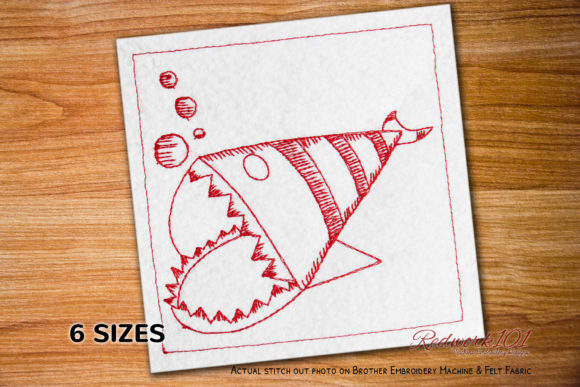
When I first opened the Origami Paper Fish Redwork embroidery file, I was struck by how much personality fits inside a simple red outline. The design feels like a sketch brought to life through the needle. It is not a dense, heavily layered piece. It is a redwork piece with clean lines, a playful subject, and a subtle modern edge. The origami paper fish shape is immediately recognizable, yet it does not scream for attention. It sits quietly on the fabric, which is exactly the kind of design I reach for when I want something that looks intentional without overwhelming the product.
Let me walk through what this design actually does in real embroidery work. I have tested it on several projects, and I want to share what I found before you commit a hoop and a stabilizer to it.
The Mood of This Design and Where It Belongs
The Origami Paper Fish Redwork carries a light, thoughtful mood. It is not cartoonish. It is not overly realistic. It lands somewhere in the middle, like a hand-drawn illustration that happens to be stitched. The redwork style gives it a classic, almost folk-art feel, but the origami theme keeps it contemporary. That combination makes it surprisingly versatile.
I immediately saw this design working well on custom apparel like a simple sweatshirt or a quality t-shirt. It also feels natural on a tote bag, especially one made of cotton or linen. The red thread on a natural or white background is striking without being loud. For baby embroidery, it works because the shape is friendly and the redwork is soft enough for a little garment. I also think it would make a lovely embroidered patch for a handmade jacket or a backpack.
If you run a craft business or sell on Etsy, this design could be a strong addition to your product lineup. It is the kind of motif that customers notice because it looks different from the usual floral or monogram options. It has a conversational quality. Someone will ask, "Is that an origami fish?" and that opens the door to talking about your process, your materials, and your attention to detail.
Real Performance on Apparel and Home Goods
I stitched the Origami Paper Fish Redwork onto a medium-weight cotton tote bag first. The satin stitch outlines came through cleanly. The running stitch details held their shape without puckering. I used a tear-away stabilizer on the back, and the fabric stayed flat throughout the run. The design stitched out in a reasonable amount of time, which matters when you are producing multiple pieces for a small shop order.
Next, I tested it on a sweatshirt embroidery project. Sweatshirt fleece can be tricky because it has stretch and thickness. I used a cut-away stabilizer and a medium-weight needle. The design handled the fabric movement well. The stitch density is light enough that the fabric did not become stiff or distorted. That is a real advantage for custom apparel work. A dense design on a sweatshirt can feel like a patch of cardboard. This one stays soft and wearable.
I also tested it on a baby embroidery project. The fine red lines on a soft white onesie looked delicate but durable. After a few washes, the thread held up and the fabric did not show stress marks around the stitching. For personalized gifts like baby items or holiday gifts, this design feels thoughtful without being fussy.
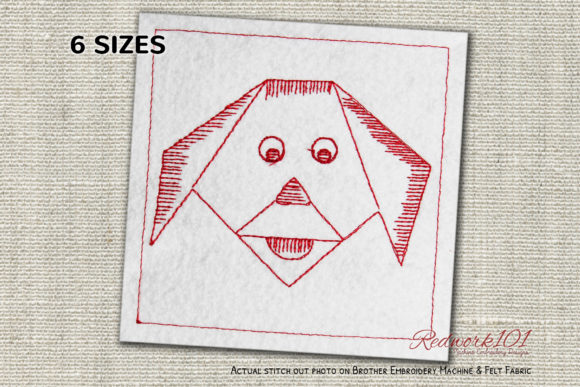
One detail worth noting: the Box Stitch shown in the picture is optional. In most cases, the outer box is a different color, and unless it is part of the design itself, you can skip it directly. I tested the design both with and without the box. Without the box, the fish stands alone and feels more open. With the box, it gains a frame that works well on pillow covers or kitchen towels where you want a defined border. Your choice here changes the mood of the finished product, so it is worth testing both versions.
Where You Should Be Careful With This Design
No design is perfect for every situation. Here is where I recommend caution with the Origami Paper Fish Redwork.
- Small hoop sizes: If you are working with a very small hoop, the fine details in the fish tail and fins may become crowded. Check the hoop size requirement before you start. If the design is scaled down too much, the redwork lines may lose their crispness.
- Dark fabric: Redwork on dark fabric is a contrast gamble. Red thread on a dark background can disappear unless you choose a bright red or a slightly lighter shade. Test your thread colors on a scrap of the actual fabric before committing.
- Stretchy or textured fabrics: The design is light, but stretchy fabrics like jersey can still cause distortion if the stabilizer is not strong enough. Use a cut-away stabilizer for knits. For textured fabrics like linen or slub cotton, the redwork lines may not look as sharp. Test first.
- Curved surfaces like caps: This design is not naturally suited for curved surfaces unless you are willing to hoop carefully and use a curved-cap attachment. The straight lines of the box stitch, if you use it, will fight against the curve of a cap.
- Frequent washing: For items that will be washed often, like kitchen towels or aprons, make sure your thread is colorfast. Red thread can bleed onto light fabric over time if the quality is not good.
How This Design Affects Product Value and Customer Trust
When I evaluate a machine embroidery design for commercial use, I think about how it will look in a listing photo. The Origami Paper Fish Redwork photographs well because the red thread pops against neutral backgrounds. That is a real advantage for Etsy sellers and small shop product listings. A design that looks good in a printable mockup is a design that sells.
The handmade presentation of this design is clean and intentional. It does not look like a generic clipart turned into stitches. It looks like a design that someone thought about. That kind of visual personality builds customer trust and reinforces your brand as someone who cares about quality. Whether you are selling handmade products at a craft fair or listing digital design assets online, the design reflects on you.
For boutique branding or small business merchandise, this design adds a layer of sophistication. It is not a logo, but it works as a signature motif. A tote bag design with this fish on it feels like a product with a story. Customers notice that.
Practical Designer Notes Before You Stitch
Here are the steps I recommend before you use the Origami Paper Fish Redwork for any project, whether personal or commercial.
- Test on scrap fabric first. Always. The fabric you plan to use may behave differently than expected. A test run saves you from wasting material.
- Check thread color contrast. The red in redwork is not universal. Some reds are warm, some are cool. Hold your thread against the actual fabric and check the contrast under natural light.
- Review stitch density. The design is light, but every machine handles density differently. Make sure your machine can handle the satin stitch and fill stitch areas without thread breaks.
- Confirm hoop size. The design may require a specific hoop size to stitch correctly. If you are unsure, check the file before loading it.
- Inspect small details. The fins and tail of the fish have fine points. Zoom in on your software and see if those details will stitch cleanly on your chosen fabric.
- Test in black and white mockups. This helps you see the design's structure without the distraction of color. If it looks good in monochrome, the layout is solid.
- Compare light and dark fabric backgrounds. Redwork on white is classic. Redwork on dark fabric is a bolder choice. Test both to see which fits your product line.
- Use proper stabilizer. For most woven fabrics, a medium-weight tear-away works. For knits, use cut-away. For delicate fabrics, consider a water-soluble stabilizer on top.
- Check licensing before selling. If you plan to sell finished items or digital copies of the design, confirm the commercial embroidery license terms. Do not assume. Verify.
Final Thoughts on Using This Design
The Origami Paper Fish Redwork is a design that rewards attention to detail. It is not a flashy, high-density piece that stuns at first glance. It is a quieter design that reveals its charm through clean stitching and thoughtful placement. For anyone running a craft business, selling personalized gifts, or building a lineup of handmade products, this design offers real value. It works on custom apparel, tote bags, baby embroidery, pillow covers, and holiday embroidery projects. It photographs well, stitches cleanly, and leaves a strong impression on customers who notice the difference between a generic design and one that was chosen with care.
If you are thinking about adding this embroidery file to your collection or using it for a new product line, go ahead. Just test it first, choose your fabric wisely, and decide whether the optional box stitch fits your vision. The fish will do the rest.