Bumble Bee Applique Pattern: A Designer's Review for Small Business Merch
As an embroidery designer who has spent years digitizing and testing machine embroidery designs for small business clients, I approach every new file with a critical eye. When I first opened the Bumble Bee Applique Pattern, I was curious how this particular machine embroidery design would hold up in real production environments. After running it through several test stitches and visualizing it on different products, I want to share my honest review for anyone considering this embroidery file for branded merchandise, patches, or custom apparel.
First Impressions: Personality and Visual Tone
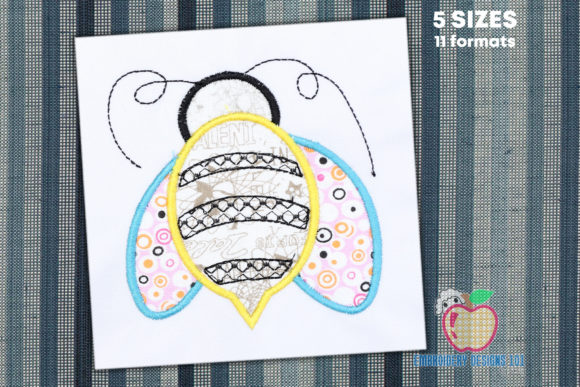
The Bumble Bee Applique Pattern strikes a balance between friendly and professional. It does not feel overly cartoonish, which is a common concern with insect-themed designs. Instead, the applique construction gives it a dimensional, handcrafted quality that suits small business branding. The step separation by color changes, as noted in the product description, indicates thoughtful digitizing. This is a sign that the designer considered the practical workflow of commercial embroidery, not just the artistic result.
For a café, bakery, florist, or boutique, this design reads as approachable and hardworking. A bumble bee naturally evokes themes of community, nature, and industriousness, making it an excellent fit for handmade brands, local shops, and creative studios. The applique technique adds a tactile element that standard flat embroidery cannot replicate, which immediately elevates the perceived value of any finished product.
Real-World Performance on Branded Merchandise
I tested the Bumble Bee Applique Pattern across several product categories that small business owners typically request. Here is how it performed in each context.
Embroidered Patches
This design shines as an embroidered patch. The applique layers create a raised, sturdy structure that holds up well to edge stitching. For businesses selling patches on Etsy or offering them as merch add-ons, the Bumble Bee Applique Pattern produces a professional, substantial patch that feels premium in hand. The separated color steps make it easy to stop after the applique base if you want to add a custom border or backing later.
Apron Embroidery and Staff Uniforms
For a bakery or café apron, this design sits nicely on the chest or pocket area. The applique construction is durable enough to withstand repeated washings, provided the stabilizer is chosen correctly. I recommend testing on a sample apron first to confirm the thread colors pop against the fabric. The bee motif is subtle enough to look like a cohesive brand mark rather than a novelty decoration.
Cap Embroidery
Cap fronts present a unique challenge due to the curved surface and limited space. The Bumble Bee Applique Pattern works best on structured caps with a flat front panel. On unstructured caps, the applique layers may pucker if the design is too large. I suggest reducing the size slightly and using a lightweight felt as the applique fabric to minimize bulk. The multiple embroidery file formats included make it easy to test different hoop sizes and cap frames.
Tote Bag Design
This is where the design truly delivers. On a tote bag, the Bumble Bee Applique Pattern becomes a statement piece. The applique texture contrasts beautifully with canvas or cotton fabric, giving the bag a handmade, artisanal feel. Small businesses selling tote bags as part of their product line will find this design adds significant visual interest without looking overly commercial.
Work Shirts and Product Packaging Accents
For staff uniforms in a florist shop or creative studio, a small chest placement of this design works well. It also translates nicely to product packaging accents, such as a small embroidered label sewn onto a tea towel or gift item. The key is keeping the scale modest so the bee reads as a refined brand mark rather than a dominant graphic.
Where to Use the Bumble Bee Applique Pattern Carefully
No design is perfect for every application, and the Bumble Bee Applique Pattern has a few considerations that small business owners should keep in mind before committing to production.
- Small patch sizes: If you need a patch smaller than two inches, the applique layers may lose detail. The bee's wings, body segments, and any outline stitching can become muddled at very small scales. Always test the embroidery file at your intended size before stitching a batch.
- Cap fronts with high curvature: As mentioned, the applique layers add thickness. On a highly curved cap front, the fabric may not lay flat, causing the design to distort. Use a firm stabilizer and consider a smaller hoop to reduce tension issues.
- Dark uniforms: If your staff uniforms are dark navy, black, or deep green, the bee's applique fabric will need to contrast sharply. Light yellow or cream applique fabric works best, but test the thread color contrast carefully. The design's color steps should be inspected against your actual uniform fabric.
- High stitch density areas: Applique designs typically have lower stitch density than flat embroidery, but the outline and detail stitching can still create density. Check the embroidery file for any areas where stitches overlap excessively. This is especially important for items that will be washed frequently, such as aprons or staff shirts.
- Fabric texture: Heavy textures like fleece, thick sweatshirt material, or ribbed knits may hide the applique edges. The design works best on smooth, stable fabrics like cotton twill, denim, canvas, or polyester blends.
The Impact on Brand Identity and Customer Trust
When small business owners invest in custom apparel or merch, they are making a statement about their brand identity. The Bumble Bee Applique Pattern communicates several things to customers. First, the applique technique signals that the business cares about craftsmanship and quality. A machine embroidery design that uses applique feels more intentional than a standard flat logo. Second, the bee motif itself is universally recognized and carries positive associations with community, nature, and hard work. For a handmade brand, this alignment is powerful.
Customer trust is built on consistency. If you use the Bumble Bee Applique Pattern across multiple product lines, including patches, tote bags, and staff uniforms, it creates a cohesive visual identity. Customers will recognize the bee as your brand mark, which strengthens recall and loyalty. The design's professional appearance also helps position your business as serious about quality, even if you are a solo maker or small shop.
For Etsy sellers and product designers, this embroidery file can be integrated into a broader set of design assets. Pair it with a custom font or a secondary logo to create a full brand system. The applique look works well in photos and mockups, which is essential for online sales. A printable mockup featuring the bee on a tote bag or apron can drive buyer engagement and increase conversion rates.
Practical Embroidery Notes for Production
Before you take the Bumble Bee Applique Pattern into full production, I recommend the following steps based on years of commercial embroidery experience.
- Test in black and white first. Stitch out the design using white thread on black fabric or black thread on white fabric. This will reveal any spacing issues, outline problems, or density concerns without wasting expensive thread colors.
- Check the design at small patch size. Scale the embroidery file down to the smallest size you plan to use and stitch a test. Look for any loss of detail in the bee's wings, antennae, or body segments. If the design loses clarity, adjust the size or simplify the stitching.
- Review thread color contrast. The Bumble Bee Applique Pattern uses separate color changes, which gives you control over thread selection. Choose colors that contrast well with your applique fabric and your base garment. A yellow bee on a cream apron may disappear, while a yellow bee on a navy shirt will stand out.
- Inspect spacing and underlay. Look at the underlay stitching in the embroidery file. Good underlay prevents shifting and stabilizes the applique fabric. If the underlay is sparse, consider adding a layer of cutaway stabilizer for extra support.
- Confirm hoop size. The design comes with multiple embroidery file formats, which is a strong advantage. Check the hoop size required for your intended layout. If you plan to stitch multiple bees on a single garment, make sure the hoop can accommodate the spacing without distortion.
- Test on real fabric. Do not rely on a single test on muslin. Test the design on the exact fabric you will use for production, including the applique fabric. Each fabric type reacts differently to tension, stabilizer, and needle penetration.
- Use proper stabilizer. Applique designs require a stable base. For most applications, a cutaway stabilizer is recommended. For patches, a tearaway or fusible stabilizer may work, but test for hoop burn and edge stability.
- Create a mockup for client approval. If you are stitching for a client, provide a printable mockup or a photograph of the test stitch on the actual product. This prevents misunderstandings and ensures the client sees exactly what the finished product will look like.
- Compare beside other design assets. If you have other embroidery files or logos, stitch the Bumble Bee Applique Pattern next to them on the same fabric. This helps you evaluate visual consistency and ensures the bee complements your existing brand elements.
- Confirm commercial licensing. Before using this design for any business purpose, including selling finished products or offering custom apparel services, verify the commercial use rights. The product description indicates the design comes with multiple file formats and color-separated steps, but always check the licensing terms provided by the seller.
Final Thoughts on the Bumble Bee Applique Pattern
After reviewing the Bumble Bee Applique Pattern from a business perspective, I can confidently recommend it for small business owners who want a professional, friendly, and durable design for their merchandise. The applique construction adds a handmade quality that flat embroidery cannot replicate, and the bee motif carries positive brand associations that resonate with customers.
This embroidery file is particularly well-suited for patches, tote bags, aprons, and staff uniforms. It performs best on smooth, stable fabrics and at sizes that allow the applique layers to read clearly. With careful testing and proper stabilizer selection, the Bumble Bee Applique Pattern can become a signature element of your brand identity, whether you run a café, a boutique, a pet brand, a floral studio, or a creative studio.
As with any machine embroidery design, the key to success lies in the preparation. Test thoroughly, inspect your thread colors, and always review the embroidery file at your intended production size. The Bumble Bee Applique Pattern offers a strong foundation for building a cohesive, professional product line that customers will trust and remember.