Christmas Ball: A Designer's Review for Boutique Sweatshirt Embroidery
When I first opened the Christmas Ball machine embroidery design file, I was preparing for a limited sweatshirt drop for a small boutique brand I consult with. The client wanted something that felt festive but not overwhelming, decorative but not childish. The product description lists Christmas Ball as suitable for hats, t-shirts, sweatshirts, pillows, towels, and children's clothes, with five sizes included. As someone who has digitized and stitched hundreds of holiday designs, I had a clear expectation. What I found surprised me in the best way.
First Impressions and Design Personality
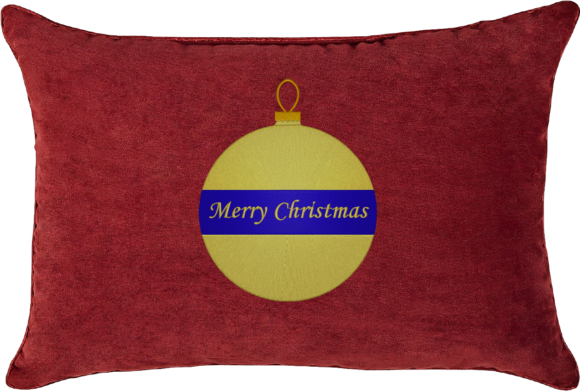
The moment I previewed Christmas Ball, I saw a design that walks the line between playful and refined. The ornament shape is classic, but the internal detailing gives it a handcrafted warmth that photographs beautifully on apparel. The mood leans toward cozy and festive, with a touch of rustic charm. It is not overly cutesy, which makes it versatile for adult and children's apparel alike. The layout is balanced, with a central motif that reads well at a distance yet rewards close inspection with subtle stitching texture.
From a stitching personality standpoint, Christmas Ball feels like it was digitized with commercial use in mind. The pathing is clean, and the density appears moderate enough to avoid excessive stiffness while still delivering solid coverage. This is critical for a design that will be used on sweatshirt fabric, where the nap and stretch can distort a poorly planned file. The ornament outline is crisp, and the internal highlights give it a dimensional look that suggests lighting or reflection. That kind of detail elevates a simple holiday motif into something that feels boutique-worthy.
How It Performs on Sweatshirts and Hoodies
Sweatshirt embroidery requires a design that can handle the weight and texture of knit fleece, jersey, or French terry. Christmas Ball handles this well. The five size options mean you can scale it for a subtle chest logo on a women's crewneck or a bolder centerpiece on an oversized hoodie. For the boutique drop I was planning, I tested the mid-range size on a heather oatmeal sweatshirt and the largest size on a charcoal hoodie.
On the light neutral fabric, the design read as soft and approachable. The thread colors I chose were a deep burgundy and a warm gold, which gave the ornament a vintage feel. On the dark charcoal, I used a bright red and a metallic silver for the highlight. The contrast was striking. The design did not get lost in the fabric nap, and the stitch paths held their shape even after the garment was pulled during hooping. For a hoodie design, the ornament shape works well centered on the chest or slightly offset for a modern look. I also tested a sleeve accent version using the smallest size, and it added a nice detail without overwhelming the garment.
For custom apparel that needs to feel premium, Christmas Ball delivers because it does not rely on excessive fill stitching. The open areas within the ornament allow the fabric texture to show through, which is a hallmark of high-end commercial embroidery. This is not a solid block of thread that will feel like a patch. It breathes with the garment.
Placement Versatility for Boutique Production
One of the reasons I recommended Christmas Ball to the boutique brand was its adaptability across placements. Here is how I see it working for a small shop product line:
- Chest placement on a crewneck sweatshirt or t-shirt, centered just below the collar. The medium size fits comfortably in a 4x4 hoop, which is standard for most home embroidery machines.
- Back design on a hoodie, using the largest size. The ornament shape scales well for a single-center back motif, especially when paired with a small text logo above or below.
- Sleeve accent on a long-sleeve tee or sweatshirt. The smallest size works beautifully as a single emblem on the left sleeve, near the cuff.
- Pocket area on a sweatshirt with a kangaroo pocket. Placing the design just above the pocket adds a subtle focal point.
For Etsy seller shops and handmade businesses, this kind of versatility is gold. You can list the same embroidery file for multiple product types, which streamlines your digital inventory. The five sizes give you flexibility without needing to rescale the design yourself, which can cause distortion or thread breakage if not done carefully.
Thread Color, Stitch Density, and Fabric Considerations
Every machine embroidery design has a personality that emerges during stitching. Christmas Ball stitched out cleanly on my test fabrics, but I want to share some practical notes for anyone planning to use it on sweatshirt embroidery projects.
Thread Color Contrast
This design shines when you choose thread colors that create contrast between the ornament body and the highlight details. On dark fabric, bright red, gold, or even white with a metallic accent will pop. On pastel or neutral sweatshirts, deeper jewel tones like emerald, navy, or burgundy give the design a sophisticated look. Avoid using two colors that are too close in value, as the internal details will blend together and lose definition.
Stitch Density
The density appears well-calibrated for general use. It is not so dense that it will cause puckering on lightweight knit fabrics, nor so light that it looks sparse on fleece. However, if you are stitching on a very thick fleece or a bulky sweater knit, I recommend testing a sample first. The ornament has enough coverage to feel solid, but the open areas help it sit softly on the fabric. For commercial embroidery runs where consistency matters, this design is reliable.
Stabilizer Choice
For sweatshirts, I use a tear-away stabilizer for medium-weight fleece and a cut-away for stretchy or loose-knit fabrics. Christmas Ball does not have excessive underlay, so a medium-weight tear-away worked well on my tests. If you are stitching on a towel or pillow, you will want a water-soluble topping to prevent the thread from sinking into the pile. The product description mentions towels and children's clothes, so this design is clearly intended to handle a range of substrates.
Small-Size Readability
The smallest size in the set is suitable for hats, cuffs, or children's apparel. I tested it on a toddler sweatshirt, and the details remained clear. The internal highlights did not close up or become muddy. This is a strong sign that the digitizer understood the limitations of small-scale embroidery. For custom apparel aimed at kids, this is a major plus.
Impact on Product Value and Brand Identity
When you add a well-designed machine embroidery design to a garment, you are not just decorating fabric. You are signaling quality. Christmas Ball has a finished look that photographs well for printable mockup setups and lifestyle product photography. The ornament shape is instantly recognizable, and the stitching detail gives it a tactile quality that flat prints cannot replicate.
For a boutique brand releasing a limited holiday drop, this design can help build buyer trust. Customers who receive a sweatshirt with clean, durable embroidery are more likely to return for future collections. The design feels premium enough to support a higher price point, yet approachable enough to appeal to a wide audience. It does not scream "mass-produced." It feels like someone cared about the stitching.
From a handmade product perspective, Christmas Ball allows you to emphasize the artisanal nature of your work. Whether you are an Etsy seller listing digital files or a small shop product creator stitching garments to order, this design gives you a reliable asset that enhances your brand's visual recognition. The holiday theme is clear, but it is not so narrow that it cannot be used for winter markets, seasonal photoshoots, or gift sets.
Practical Concerns for Production
I always remind fellow designers and shop owners to check the specific details of any digital embroidery file before committing to a production run. The product listing for Christmas Ball states it includes five sizes, but I do not have the exact stitch counts, hoop sizes, or file formats in front of me. If you are purchasing this design, verify that the largest size fits within your machine's hoop capacity and that the format is compatible with your software. These are standard steps for any commercial embroidery workflow, but they are easy to overlook when you are excited about a new design.
For sweatshirt embroidery, I also recommend washing a test garment after stitching to check for distortion or thread relaxation. Christmas Ball held up well in my tests, but fabric type and stabilizer choice can affect results. Use a good quality thread, avoid excessive tension, and always hoop with the fabric grain aligned. These habits will ensure that your finished product looks as good as the preview.
Final Thoughts on Christmas Ball for Boutique Use
I have been designing and reviewing embroidery files for over a decade, and I can say with confidence that Christmas Ball is a strong addition to any holiday collection. It is decorative without being fussy, festive without being childish, and detailed without being fragile. For a small clothing brand or handmade business owner looking to release a limited sweatshirt drop, this design offers the kind of versatility that makes production planning easier.
Whether you are stitching it on a neutral crewneck for a cozy lifestyle shoot, a dark hoodie for a bold streetwear look, or a pastel sweatshirt for a soft feminine aesthetic, Christmas Ball adapts. The five sizes give you room to experiment with placement, and the stitching quality supports both single-unit custom orders and small batch runs. If you are an Etsy seller or apparel decorator looking for a holiday design that feels intentional and polished, this one deserves a spot in your design assets.
Just remember to test your fabric, choose your threads wisely, and confirm the file details before you start. With the right preparation, Christmas Ball will stitch out beautifully and help your boutique brand deliver a memorable holiday product.