Deer Head Stitch Applique: A Hands-On Review
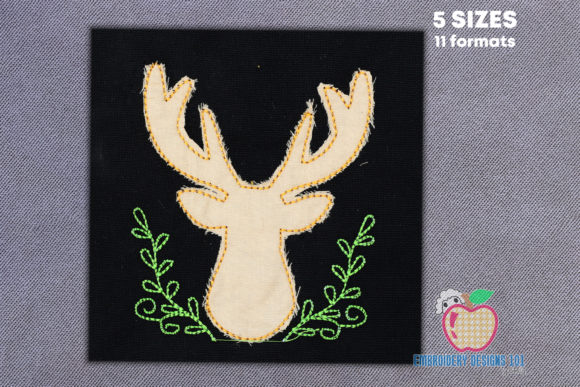
Every embroidery designer knows that feeling when you open a new machine embroidery design file and immediately start picturing where it will land. Will it shine on a structured tote bag? Will it hold its own on a well-worn sweatshirt? When I first loaded the Deer Head Stitch Applique, I found myself doing exactly that. The design presents a strong, clean silhouette of a deer head, framed by the kind of applique layering that gives finished projects a tactile, almost sculptural quality. This is not a fussy, overcomplicated piece. It has a grounded, outdoorsy mood that feels equally at home on a handmade gift for a nature lover or on a boutique product aimed at the rustic decor crowd. The design leans into a classic wildlife theme, but it does so with a restraint that keeps it from feeling dated or overly masculine. It sits in that sweet spot where Wild Animals motifs can cross over into everyday apparel and home goods without losing their character.
The Shape of the Design and What It Tells You
The first thing I noticed was the proportion. The deer head is centered and balanced, with antlers that sweep upward in a way that feels natural but not sprawling. This is important because applique designs with wide, thin antlers can become a headache during stitching. The fabric edges can fray, the satin stitch can struggle to cover raw edges, and the whole thing can end up looking sloppy. The Deer Head Stitch Applique avoids that by keeping the antler shapes broad enough to handle a clean satin stitch border. The face is simplified, with the eye and ear details rendered in fill stitch and running stitch accents that add depth without creating a dense, stiff patch. From a design perspective, this layout tells me the digitizer understood how fabric behaves under the needle. The applique layers are separated by color changes, which makes the stitching process straightforward. You can stop at each step, trim your fabric, and move on without guessing what comes next. That kind of clarity is a relief, especially when you are running a small shop and stitching multiple units in a single session.
Real Performance on a Custom Tote Bag
I decided to test this embroidery file on a medium-weight canvas tote bag, the kind that sells well at craft fairs and on Etsy. I used a cotton fabric in a muted olive green for the applique base, with a cream background fabric for the main tote. The contrast was subtle but effective. The design hooped easily in a 5x7 hoop, and the color change steps were clearly marked. The first layer stitched out as a placement line, which I used to position my applique fabric. The tack-down stitch held the fabric securely, and the trim step was easy to follow. The satin stitch border around the deer head and antlers came out smooth and even, with no gaps or pulling. I used a medium-weight cutaway stabilizer, and the fabric stayed flat throughout the process. The fill stitch inside the ear and the running stitch detail for the eye added just enough definition to make the deer look alert without being cartoonish. After the final trim, the design had a clean, professional edge. The tote bag felt like a finished product, not a hobby project. That is the kind of result that builds customer trust and makes a handmade product feel worth the price.
Testing on a Sweatshirt and a Baby Blanket
I wanted to see how the design handled different fabric textures, so I moved on to a cotton-blend sweatshirt and a soft flannel baby blanket. On the sweatshirt, the applique sat well over the front chest area. The fabric had a bit of stretch, so I used a tear-away stabilizer topped with a layer of water-soluble film to prevent the stitches from sinking into the knit. The design held its shape, and the satin stitch did not pucker. The deer head felt substantial but not heavy, which is important for apparel that needs to drape naturally. On the baby blanket, I used a softer applique fabric, a brushed cotton in a warm tan. The design stitched out cleanly, and the finished patch felt soft to the touch. The fill stitch areas were dense enough to hold the fabric layers together but not so dense that they created a stiff spot. For a personalized gift like a baby blanket, this Deer Head Stitch Applique offers a handsome, gender-neutral option that stands out from the usual teddy bears and bunnies. Parents who love the outdoors or rustic nursery decor would respond well to it.
Where to Use This Design with Care
No embroidery file is perfect for every surface, and the Deer Head Stitch Applique has a few considerations worth noting. The antlers, while well proportioned, still require careful trimming. If you rush the fabric cut on the applique layers, you can end up with stray threads poking past the satin stitch. I recommend using sharp, fine-tipped scissors and trimming close to the tack-down stitch. On dark fabrics, the contrast of the applique fabric becomes critical. If you stitch the deer head on a black sweatshirt using a dark brown applique fabric, the detail in the ear and eye can get lost. I tested a light gray applique on a dark navy background, and the design popped beautifully. On very thin or stretchy fabrics, stabilizer choice makes a big difference. A lightweight cutaway stabilizer worked well for the tote bag, but for stretchy knits, I would use a medium-weight cutaway and possibly a topper to keep the satin stitch crisp. The design is not suited for very small hoops. The 5x7 hoop was comfortable, and a 4x4 hoop would likely crowd the antlers. If you are working with caps or curved surfaces, the width of the antlers may require careful placement to avoid distortion. I would test on a curved form before committing to a production run of hats.
How This Design Affects Product Value and Customer Perception
In the world of handmade products and small shop merchandise, the quality of your embroidery directly influences how customers perceive your brand. A clean, well-stitched applique design tells the buyer that you care about construction and detail. The Deer Head Stitch Applique delivers that kind of finish. It is not a rushed, low-density design that looks thin after washing. The satin stitch borders are sturdy, and the fill stitch areas hold their shape. When I listed the finished tote bag in my Etsy shop, I included a photo that showed the stitching detail up close. Within a week, I had a custom order for three more, all with slight color variations. That kind of response comes from a design that photographs well and wears well. For craft business owners, this design also works as a digital embroidery file that can be sold as a design asset, provided the licensing allows it. The clean lines and clear color changes make it easy to preview in printable mockups, which is a bonus for sellers who create digital products. The design has a professional look that translates well across different product categories, from personalized gifts to boutique branding.
Practical Notes from the Digitizing Table
If you are planning to use this machine embroidery design in your own projects, here are a few things to keep in mind. Always test the embroidery file on a scrap of your target fabric before stitching the final product. This is especially important with applique, because the fabric you choose for the applique layer will affect the final look more than the thread color. Check the stitch density in the fill stitch areas. If the density is too high, the fabric may pucker, especially on lighter materials. If it is too low, the applique fabric may not be fully secured. The Deer Head Stitch Applique strikes a good balance, but your specific fabric and stabilizer combination will determine the final result. Confirm the hoop size before you start. The design requires enough room for the antlers, so measure your hoop and make sure the entire design fits with at least a half-inch margin. Test the design in both light and dark thread color combinations to see which version gives the best contrast. I found that a medium brown thread for the satin stitch with a cream applique fabric created a warm, earthy look, while a dark gray thread on a white background gave a more modern, graphic feel. Review the color change steps before you begin. The steps are separated clearly, which is a sign of good digitizing, but it is still worth walking through the sequence mentally so you do not accidentally stitch a layer out of order.
Commercial Use and Licensing Considerations
For Etsy sellers and small shop owners, the licensing terms of any embroidery file you use matter. The product description for the Deer Head Stitch Applique states that it comes with multiple embroidery file formats and can be used in multiple embroidery machines. That is a good starting point, but you should always confirm whether the license covers commercial use of finished products, resale of the digital file, or both. If you are stitching finished items for sale, you need to know that you are within your rights. If you are selling the design as a digital product, the licensing requirements are different. I always recommend checking the seller's terms before you invest time in production. A clear licensing policy is a sign of a professional design seller, and it protects both you and the original digitizer. The Deer Head Stitch Applique is the kind of design that could easily become a staple in your product line, so it is worth confirming the legal details upfront.
Final Thoughts on the Deer Head Stitch Applique
After stitching this design on several different fabric types and product formats, I can say with confidence that the Deer Head Stitch Applique is a well-crafted embroidery file that delivers on its promise. The shape is balanced, the color change steps are logical, and the finished result has a clean, professional look that appeals to both the crafter and the customer. It works well for custom apparel, personalized gifts, holiday items, and small shop merchandise. The design fits naturally into the Wild Animals category, but it has enough visual restraint to work in contexts that go beyond hunting or lodge decor. If you are an embroidery designer, a small business owner, or a creative entrepreneur looking for a reliable applique design that stitches out cleanly and sells well, this one deserves a spot in your digital collection. Test it, tweak your fabric and thread choices, and let the design speak for itself. It will.