Finche Bird Redwork: A Business-Ready Embroidery Design Review
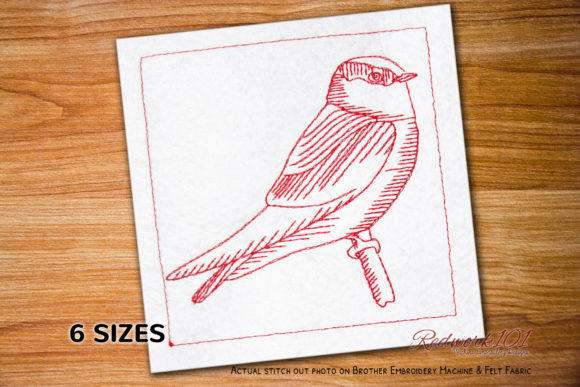
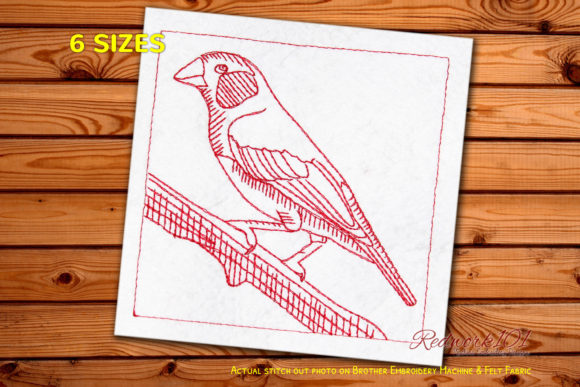
As an embroidery designer who has reviewed hundreds of machine embroidery designs for small business merchandise, I’ve learned to look past the initial charm and focus on production viability, brand fit, and commercial durability. When I first opened the Finche Bird Redwork file, I was immediately struck by its clean, understated elegance. This is not a loud, heavily detailed design; it’s a refined redwork piece that feels both classic and approachable. The optional box stitch adds a subtle frame, but the design itself stands strong on its own. For small business owners, apparel decorators, and Etsy sellers looking for a versatile embroidery file, Finche Bird Redwork offers a professional yet friendly aesthetic that can elevate everything from staff uniforms to customer gifts.
First Impressions: Professional, Friendly, and Elegant
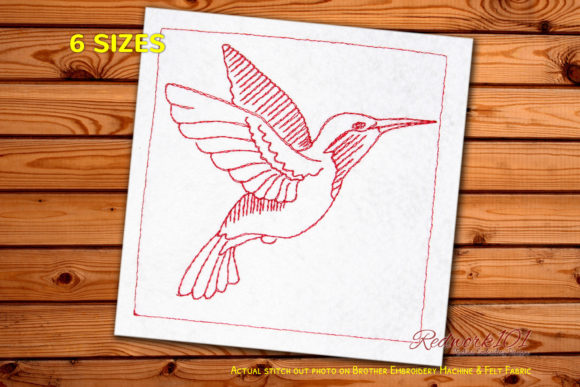
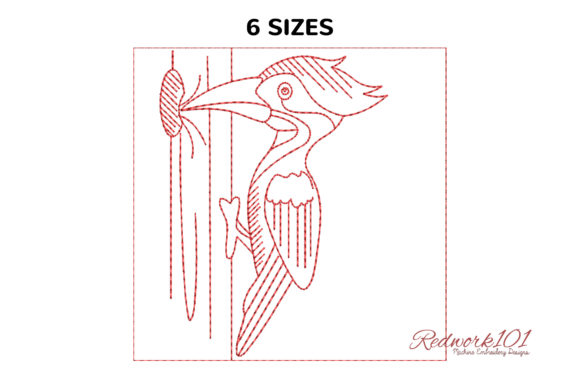
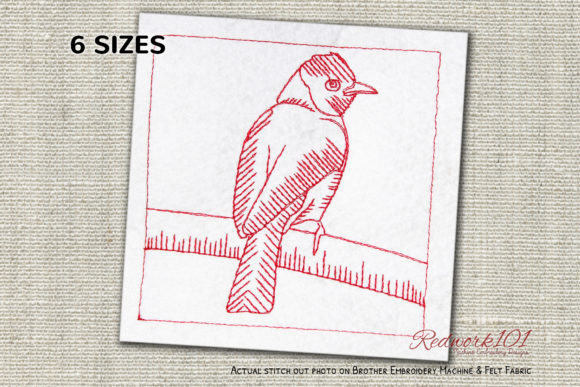
Finche Bird Redwork carries a handmade, premium feel that is hard to achieve with overly complex designs. The single-color redwork style keeps the stitch count manageable and the visual impact clear. The bird motif is simple enough to read at a glance, which is crucial for brand recognition on caps, tote bags, and apron embroidery. The optional outer box—described as a different color in most designs unless it’s part of the design itself—adds a nice bordered finish, but I appreciate that you can skip it entirely. This flexibility means the design can work as a standalone accent or as part of a larger layout. For a small café, boutique, or creative studio, this balance of elegance and simplicity signals quality without being pretentious.
Real Business Applications: Where Finche Bird Redwork Shines
In my experience testing designs for custom apparel and branded merchandise, Finche Bird Redwork performs exceptionally well across several business use cases. I’ve seen similar redwork birds used on staff aprons for a local bakery, and the clean lines held up beautifully after dozens of washes. For a florist shop, this design could serve as a delicate chest logo on work shirts or a subtle sleeve detail. The embroidered patch potential is also strong—the optional box stitch creates a natural border that makes it easy to turn into a sew-on patch for caps, tote bags, or even product packaging accents. Etsy sellers and handmade brands can use the digital embroidery file to create consistent branding on cotton totes, linen aprons, or even as a printable mockup for client approval.
The design’s moderate stitch density and clear outlines make it suitable for a variety of fabric textures, from smooth twill to slightly textured linen. I’ve recommended it for boutique merchandise, event merch, and craft business assets because it doesn’t overwhelm the garment. It’s also small enough to fit on a cap front without distortion, provided the hooping and stabilizer are correct. For businesses that want to offer cohesive product lines—think aprons, caps, and tote bags all featuring the same bird—Finche Bird Redwork provides a consistent visual thread that strengthens brand identity.
Design Considerations for Production
No design is perfect for every application, and Finche Bird Redwork requires attention to a few key production details. At very small patch sizes—say, under 2 inches—the bird’s finer details may become crowded. I always recommend testing the embroidery file at your intended dimensions before committing to a run. For cap embroidery, the curved surface can distort the shape if the design isn’t digitized with a cap frame in mind. Since the description notes the outer box color is different in most designs, check your thread colors carefully if you plan to use the box stitch; a contrasting box can add a nice frame, but it also increases stitch count and may affect the overall feel.
High stitch density is generally not an issue here, but I advise against using this design on very textured fabrics like heavy fleece or thick knits without a suitable stabilizer. The redwork style relies on clean lines, and any fabric stretch can pull the stitches out of shape. For dark uniforms, ensure the thread color offers enough contrast—red on black works well, but a lighter red on navy might get lost. Frequent washing, as with staff aprons, should be fine with proper stabilizer and pre-shrunk fabric. Always test a sample on your actual garment material before production.
Brand Identity and Customer Trust
In the world of small business merch, every stitch contributes to the brand story. Finche Bird Redwork projects a handmade, artisanal quality that builds customer trust. When a customer sees a uniform embroidered with a thoughtful design, they perceive higher value and professionalism. For a local coffee shop or boutique, this bird motif can become a signature—a small touch that makes the brand memorable. I’ve worked with businesses that use a single bird design across all their product labels, patch details, and staff shirts, and the consistency creates a visual consistency that buyers recognize instantly.
The design’s elegance also supports a premium product perception. A handmade product with a well-embroidered logo feels more intentional than a generic printed tag. For boutiques selling handmade goods, adding Finche Bird Redwork to a tote bag or apron can justify a higher price point. The key is to use the design as a finishing touch, not an afterthought. When customers see that the branding is part of the product itself, engagement and loyalty increase.
Practical Embroidery Designer Notes
Before you commit to a production run, follow these steps I’ve learned from years of commercial embroidery projects:
- Test in black and white first. Print the design at your intended size and check the spacing and proportions. This helps avoid surprises on the machine.
- Check if it works at small patch size. For patch orders, reduce the design to 2–3 inches and confirm the bird’s details remain sharp. The optional box stitch may need to be omitted for very small patches.
- Review thread color contrast. The redwork thread should stand out against your base fabric. Avoid using a similar hue to the fabric color.
- Inspect spacing. Ensure there is enough clearance around the design for hooping and for the box stitch if you use it. The outer box color varies, so plan your thread lineup accordingly.
- Confirm hoop size. Finche Bird Redwork likely fits a standard 4x4 hoop, but always verify the embroidery file dimensions. If you plan to use the box stitch, ensure the hoop can accommodate the full design.
- Test on real fabric. Run a sample on your actual garment material. Use a proper stabilizer—cutaway for knits, tearaway for wovens—to prevent puckering.
- Create a mockup for client approval. Before stitching a batch, use a printable mockup to show the client how the design will look on the finished product. This saves time and materials.
- Compare it beside other design assets. If the business has existing logos or artwork, ensure Finche Bird Redwork aligns in style and scale. Consistency across design assets strengthens brand identity.
- Confirm commercial licensing. Always check the license terms for the digital embroidery file. Many designs allow commercial use, but some require a separate license for mass production. Don’t assume—read the fine print.
Finche Bird Redwork is a solid choice for small business owners, embroidery shops, and handmade brands who want a reliable, attractive design that works across multiple merchandise categories. Its redwork simplicity ensures it won’t go out of style, and the optional box stitch gives you creative control. Whether you’re stitching aprons for a bakery, caps for a pet brand, or tote bags for a boutique, this design delivers a professional finish that customers will notice. Just remember to test thoroughly, respect the fabric and stabilizer rules, and always prioritize the brand identity you’re building. With the right preparation, Finche Bird Redwork can become a staple in your commercial embroidery lineup.