Lolipop – A Seasonal Embroidery Design Worth Your Holiday Collection
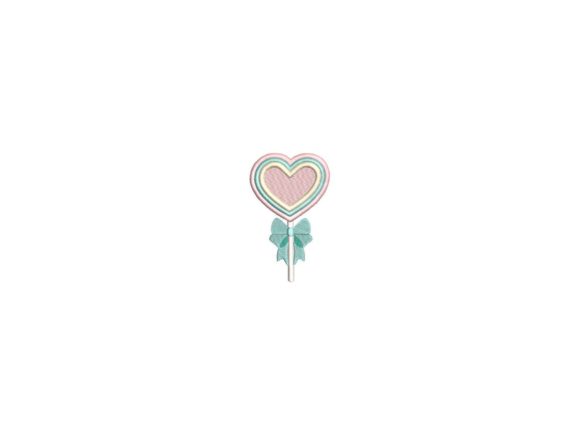
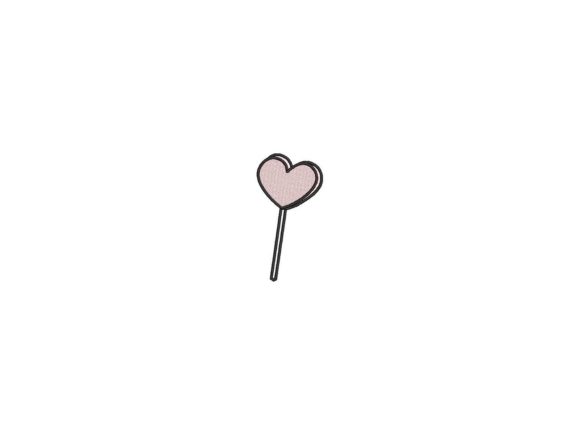
When I first opened the Lolipop machine embroidery design file, I knew immediately this was not just another dessert-themed graphic. As someone who has built seasonal shop collections for over a decade, I have learned to spot designs that carry real emotional weight. Lolipop reads as playful, nostalgic, and slightly whimsical. It reminds me of county fairs, candy shop windows, and the kind of sweet tooth craving that hits hardest during holiday markets. The design does not scream Christmas or Easter outright, and that is exactly what makes it so valuable for a seasonal product builder. You can dress it up for Valentine’s Day, spin it for a summer carnival drop, or pair it with cozy fall tones for a harvest collection. The emotional tone lands somewhere between cute and premium depending on how you thread it, which is a rare balance in machine embroidery design.
Why Lolipop Belongs in Your Holiday Embroidery Lineup
Seasonal shoppers are not just buying a design. They are buying a feeling. When a customer sees Lolipop stitched onto a sweatshirt embroidery piece or a kitchen towel embroidery project, they remember the joy of a simple treat. That emotional hook is powerful for handmade gift sellers. I have used similar dessert-style embroidery files in past holiday collections, and they consistently outperform generic seasonal motifs because they feel personal. Lolipop fits naturally into gift bundles, Etsy seller listings, and craft fair displays. It works on tote bag design projects for quick holiday shoppers and on pillow cover items for home decor buyers. The design is versatile enough to appear on aprons, table linens, and even embroidered patch orders for custom apparel. For a small shop product, that kind of flexibility means fewer designs to manage and more finished products to list.
How Lolipop Performs in Real Selling Situations
Let me walk you through how I tested Lolipop for a hypothetical seasonal collection. I created several printable mockup versions on different product shapes. On a crewneck sweatshirt in heather gray, the design looked approachable and gift-ready. On a dark navy tote bag, it popped with a bright candy pink thread. I also tested it on a linen kitchen towel using a soft pastel green, and the result was charming enough for a Mother’s Day limited edition line. Lolipop holds its own in social media previews because the shape is immediately recognizable. You do not need to explain what it is. That visual clarity is a huge advantage for Etsy seller thumbnails and Instagram product shots. I also noticed that the design photographs well in both flat lay and on-model shots, which matters when you are building a cohesive brand look for a holiday drop. For commercial embroidery sellers, this design can be used across multiple price points. A single digital embroidery file can become a $35 sweatshirt, a $15 tote, or a $12 ornament set. That kind of product range is exactly what you need for a profitable seasonal collection.
Where Lolipop Needs Careful Placement
No design is perfect for every surface, and Lolipop has a few limitations that every embroidery file buyer should consider. First, the design includes some details that may not hold up well in very small hoop size applications. If you plan to stitch it on a baby onesie or a tiny ornament, you will want to test the stitch density on a scrap piece first. The thread colors you choose matter significantly. On light fabric, a single bright color works beautifully. On dark fabric, you may need to add a subtle underlay or use a thicker thread to keep the design legible. I also recommend testing stabilizer choices carefully. If you stitch Lolipop on stretchy garments like a sweatshirt, a cutaway stabilizer will prevent distortion. For kitchen towel embroidery, a tearaway stabilizer with a light float layer works better. Be mindful of fabric texture as well. Thick towels and high-pile fleece can bury fine details, so consider sizing up the design slightly to maintain clarity. Dark fabric, metallic thread, and heavily textured materials all require extra testing before you list a finished product for sale. I also suggest avoiding curved caps unless you have a cap frame and have tested the design at a smaller scale. The shape of Lolipop is simple enough to adapt, but every curve adds risk of registration issues.
The Seasonal Appeal and Buyer Emotion Behind Lolipop
Buyers shopping for holiday embroidery and seasonal embroidery are looking for designs that feel timely but not disposable. Lolipop hits that sweet spot. It is playful enough for a child’s birthday gift but refined enough for a personalized gift for a friend who loves retro candy aesthetics. In my experience, handmade gift buyers respond to designs that spark conversation. A lolipop motif invites questions. Where did you find that? Is it custom? That kind of engagement builds customer trust and makes your shop memorable. For apparel decorators and small business owners, Lolipop also supports brand consistency across multiple product categories. You can use it on a sweatshirt embroidery item for adults and on a baby onesie for a matching family set. The visual recognition of the design helps customers associate your brand with a specific aesthetic. During the holiday shopping period, when every Etsy seller is competing for attention, that consistency is gold. The design also pairs well with other dessert-themed motifs, so you can build a full collection around it. Think of a “Sweet Treats” drop with Lolipop as the hero piece, supported by cupcake or ice cream designs. That kind of product line feels intentional and curated, which drives higher engagement and repeat purchases.
Practical Embroidery Designer Notes for Lolipop
Before you add Lolipop to your seasonal collection, here are the practical steps I recommend. First, test your thread colors on both light and dark fabric. I usually stitch a small sample on white cotton and another on black fleece to see how the design reads. Second, check the stitch density of the machine embroidery design file. If the design is too dense, it may cause puckering on lightweight fabrics. If it is too loose, the shape may lose definition. Third, confirm your hoop size before you cut fabric. The design should fit comfortably within your hoop without crowding the edges. Fourth, use proper stabilizer for each fabric type. I keep both cutaway and tearaway options on hand for Lolipop projects. Fifth, review small details after stitching. Look for any skipped stitches or thread breaks that could affect the final look. Sixth, plan matching color palettes for different seasons. For Valentine’s Day, use pinks and reds. For a summer collection, try bright orange or coral. For fall, a warm caramel tone works beautifully. For neutral winter holiday lines, consider gold or silver metallic thread if the design supports it. Finally, always confirm commercial licensing before selling finished seasonal products. The product description states that this is a digital design requiring an embroidery machine, and it is not a physical patch. Make sure your license allows you to sell the finished items, especially if you plan to produce in volume for craft fair displays or limited edition apparel drops. If you are an Etsy seller or small shop product owner, this step protects your business and your reputation.
Building a Gift-Ready Collection Around Lolipop
Once you have tested the design and confirmed your materials, the next step is building a product lineup. Lolipop works well on sweatshirt embroidery items for cozy gift bundles. It also shines on tote bag design projects that can be paired with a matching card or treat. For home decor, consider pillow cover items or kitchen towel embroidery projects. These are high-margin, fast-selling categories during the holiday season. I have also seen success with embroidered patch versions of dessert designs. Patches are easy to produce, easy to ship, and they allow customers to personalize their own jackets, bags, or hats. For handmade gift buyers, a patch set feels interactive and thoughtful. You can also create printable mockup images showing Lolipop on different product shapes to help customers visualize the final result. This is especially important for digital embroidery file shops where the customer cannot touch the product before buying. Clear, realistic mockups build trust and reduce returns. I also recommend creating a short video showing the design stitching out on fabric. That kind of content performs well on social media and helps buyers understand the quality of the machine embroidery design they are purchasing.
Final Thoughts on Lolipop for Seasonal Product Creators
I have reviewed hundreds of embroidery file designs over the years, and Lolipop stands out as a smart addition to any seasonal collection. Its emotional resonance, visual clarity, and product versatility make it a strong contender for holiday embroidery lines, limited edition apparel drops, and personalized gift offerings. The design does not require elaborate explanation. It is a lolipop. Everyone understands it. That simplicity is a superpower in the fast-paced holiday shopping season. Whether you are a seasoned Etsy seller or a small business owner building your first seasonal collection, Lolipop gives you a reliable foundation. Test it well, pair it with thoughtful color palettes, and use proper stabilizer and hoop size techniques. If you do, this design will serve you across multiple seasons, multiple product types, and multiple years. That is the kind of return every commercial embroidery professional looks for when curating a digital file library. Add Lolipop to your seasonal toolkit, and let it sweeten your next product drop.