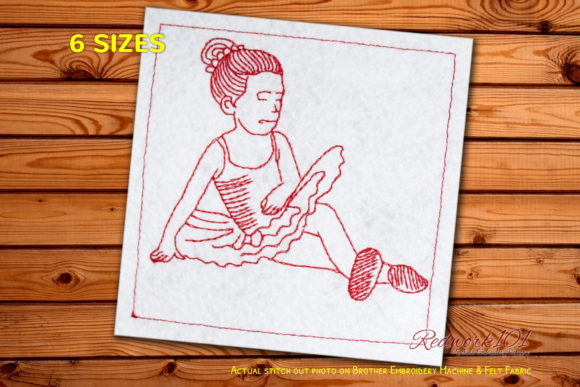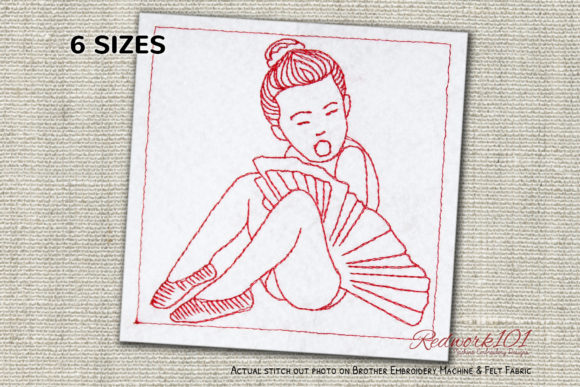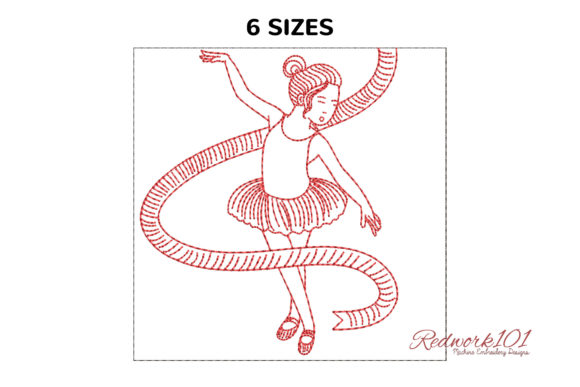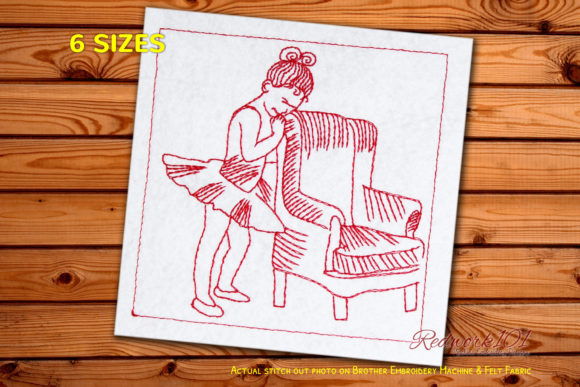
Sad Ballerina Standing with Chair
As an embroidery designer who has prepped hundreds of designs for craft fair booths, I’m always looking for machine embroidery designs that tell a story while staying practical for production. When I came across Sad Ballerina Standing with Chair, I immediately started thinking about how it would perform on tote bags, tea towels, and other handmade products. This review comes from real-world experience—setting up a weekend booth, testing stitchouts, and watching customers react. Let’s break down what works, what needs attention, and how to turn this dance‑themed design into a consistent seller.
First Impressions: A Melancholy Elegance
At first glance, Sad Ballerina Standing with Chair carries an emotional, almost theatrical mood. The title suggests a figure in a moment of stillness—a dancer resting beside a chair, perhaps after a long rehearsal. The design feels elegant and soft, but with a touch of melancholy that makes it stand out from typical joyful dance motifs. It’s not bold or farmhouse rustic; it’s more of a refined, narrative piece. The optional Box Stitch and the note about the outer box color being different (unless it’s part of the design) tells me that the framing is flexible. Most crafters will likely skip the box or use a contrasting color to make the ballerina pop. This design gives off a premium, artistic vibe that fits well on boutique items and keepsake gifts.
Best Products for the Sad Ballerina Design
Through my own booth prep, I’ve found that Sad Ballerina Standing with Chair shines on mid‑sized, high‑touch products. Here are the top contenders:
- Tote bags – A medium tote (13–15 inches wide) gives enough room for the design to breathe. The sad ballerina becomes a focal point that catches the eye of dance parents and gift shoppers.
- Apron embroidery – On a cotton apron, the design adds a touch of class. It works especially well on a bib apron or waist apron, centered on the chest or lower panel.
- Tea towel embroidery – A classic kitchen towel with the ballerina off‑center creates a lovely decorative piece. The design’s elongated lines (ballerina + chair) fit naturally on a rectangular towel.
- Embroidered patch – As a patch, Sad Ballerina Standing with Chair becomes a collectible accessory. It’s small enough for caps, pouches, or even denim jackets.
- Pillow covers – A 12x12 or 16x16 pillow cover with the design centered makes a poetic accent for a dancer’s room.
- Fabric pouches and market bags – For smaller gift items, the design can be scaled down (with caution) to fit a cosmetic pouch or a small market bag.
- Printable mockups – Digital sellers can use this embroidery file to create mockups for Etsy listings, showing the design on various products. The emotional tone of the ballerina lends itself well to lifestyle photography.
Production and Selling Points
When I evaluate a design for commercial embroidery, I ask: does it sell at a glance? Sad Ballerina Standing with Chair passes that test. The pose is recognizable—a dancer, a chair, a moment of exhaustion or reflection. Customers at a craft fair will pause and ask, “Is she sad?” That’s engagement. The design works as both a small accent (on a patch or cap) and a larger focal piece (on a tote or pillow). For batch production, the stitch count and thread colors (which you should verify from the file) will determine your speed. I recommend doing a test run on scrap fabric to check density and spacing. The optional Box Stitch adds a border that can help unify the design, but it also increases stitch count. If you’re producing 20 tote bags for a weekend show, decide whether the box is worth the extra time. For most sellers, leaving it out keeps the design cleaner and more adaptable to different fabric colors.
From a photography standpoint, Sad Ballerina Standing with Chair photographs well because the subject is simple and the mood is clear. Use a plain background (pale pink, gray, or ivory) to let the design stand out. For Etsy listings, include a close‑up shot of the stitch detail and a lifestyle image showing the product in use. The design’s emotional hook can be a strong selling point in your description.
Careful Use Notes: Stitch Density and Fabric Choices
Every embroidery designer knows that a beautiful design can fail on the wrong fabric. Sad Ballerina Standing with Chair appears to have moderate detail, but here are the pitfalls to watch for:
- Dense stitch areas – The ballerina’s tutu and the chair’s legs may have high stitch density. Test on a medium‑weight cotton or linen first. If the design feels too stiff, reduce the density in your software or use a softer stabilizer.
- Tiny details – The face and hands are small. At sizes below 3 inches, you may lose facial expression. I recommend a minimum size of 4 inches for clarity. For patches, keep the design at least 3.5 inches.
- Small lettering – If the design includes text (none is mentioned in the title, but always check the file), avoid very small fonts. Anything under 0.25 inches can become unreadable.
- Thick fabric – On towels or terry cloth, the design may sink into the loops. Use a water‑soluble topper and a medium‑weight cut‑away stabilizer.
- Curved cap surfaces – If you embroider on a cap, keep the design away from the center seam. The chair’s straight lines might distort on the curve. Use a cap frame and test placement.
- Dark fabric – The color of the outer box is mentioned as often being a different color. On dark fabric, use a white or light underlay for the box, or skip the box entirely. The ballerina’s lines need contrast.
Also, note the Box Stitch is optional. In most designs, the outer box color is different from the main design. If you choose to include the box, use a thread color that complements the fabric. For a black tote, a white or silver box makes the ballerina pop. For a pastel towel, a matching or slightly darker box works. You can also skip the box to keep the design open and airy.
Advice for the Craft Fair Booth
When you’re setting up your table, position products with Sad Ballerina Standing with Chair at eye level. A tote bag hanging on a display rack or an apron over a mannequin creates a natural focal point. Group the design with other dance‑themed items (if you have them) or pair it with inspirational quotes. I’ve seen this design work well on a small display stand with a sign that says “For the Dancer at Heart.” Customers who are dance teachers, parents, or former dancers will gravitate toward it. The melancholy tone isn’t a downside—it’s a conversation starter. People love a story.
For batch production, create at least one real mockup before the fair. Seeing the design on an actual tote bag or tea towel helps you gauge size, placement, and thread choice. I always recommend testing on the exact fabric you plan to sell. Adjust stabilizer and tension as needed. Also, confirm that you have the correct commercial license for the embroidery file—most digital embroidery files include a license for finished products, but check the terms to avoid issues.
Final Thoughts: A Design with Depth
Sad Ballerina Standing with Chair is more than just a dance motif. It’s a piece of storytelling that works beautifully on handmade products like tote bags, tea towels, and pillow covers. Its emotional tone sets it apart from generic ballet designs, and with careful production—testing stitch density, choosing the right fabric, and managing the optional box—it can become a reliable seller for your craft fair booth. Whether you’re an Etsy seller or a small shop product maker, this design offers a premium feel that customers will notice. Just remember to review your hoop size, thread colors, and stabilizer before you start, and always create a test sample. With the right preparation, Sad Ballerina Standing with Chair will find a place in your booth and in your customers’ hearts.