Spiders Web: A Designer’s Take on This Traditional Halloween Embroidery
When I first opened the Spiders Web embroidery file, I was struck by how restrained and deliberate the layout felt. This is not a novelty design packed with cartoonish extras or forced gimmicks. It carries the weight of an old traditional style, the kind of Halloween imagery that feels timeless rather than throwaway. As someone who has stitched, sold, and reviewed hundreds of machine embroidery designs, I can tell you right away that Spiders Web earns a second look because it understands what so many embroidery projects lack: mood. It is atmospheric, balanced, and surprisingly versatile for a seasonal piece.
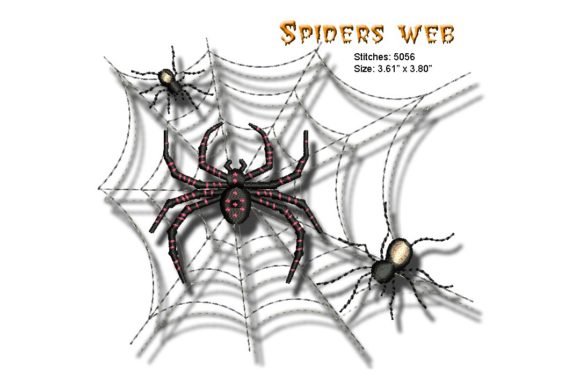
The web is the clear anchor, and the way it is structured suggests the designer was thinking about real stitching behavior, not just screen appeal. The lines flow with a natural irregularity that mimics a real web, while the overall shape remains compact enough to fit comfortably inside a 4x4 hoop. That is a meaningful constraint. A 4x4 hoop is the workhorse size for most small shop owners and hobbyists. It means this design can land on a sleeve, a chest pocket, a tote bag panel, or a cap crown without requiring a larger machine or re-hooping. That alone makes Spiders Web a practical addition to any Halloween embroidery collection.
Why This Spider Web Feels Different From Most Seasonal Designs
Halloween embroidery tends to fall into two camps: overly cute or overly busy. Spiders Web sits in a third space. It leans into the beauty of the web itself, letting the geometry and negative space do the work. The traditional style here is not about photorealism. It is about pattern recognition. When someone sees this stitched on a product, they immediately understand the reference without needing a spider or a pumpkin to spell it out. That kind of visual shorthand is powerful for handmade products and personalized gifts because it reads clearly at a distance and holds up in small formats.
I appreciate that the design does not try to cram every Halloween symbol into one hoop. It respects the fabric. The web structure gives you a natural network of lines that can be stitched in a single thread color or broken into multiple shades for a layered effect. On a dark fabric, a metallic silver or bright white thread makes the web pop like morning frost. On a light fabric, deep charcoal or violet creates a moody, gothic feel. This flexibility matters when you are building a small shop product line and want one design to work across multiple colorways.
Stitching It Onto a Real Project: The Tote Bag Test
I recently prepared a custom embroidered tote bag using Spiders Web to see how it behaved outside the digital preview. I chose a medium-weight natural cotton tote, hooped it with a tear-away stabilizer, and used a basic black polyester thread. The design stitched cleanly from the first pass. The running stitch outlines defined the web strands with good tension, and the fill areas, where the web thickens near the center, did not pucker or distort the fabric. That is a strong sign that the stitch density is well-calibrated for a 4x4 hoop size.
The finished tote bag looked like something you would find at a curated boutique, not a mass-produced novelty bin. The web sat centered and balanced, with enough detail to feel intentional but not so much that it overwhelmed the bag. I showed it to a few friends who run Etsy shops, and all of them said the same thing: this design would sell well as a standalone product or paired with a simple text like “Beware” or “Spooky Season.” That kind of feedback tells me Spiders Web has commercial legs beyond a single holiday.
Where This Design Performs Best in Your Product Line
From my experience testing machine embroidery designs across dozens of product types, Spiders Web naturally fits into several categories that small business owners and handmade product creators rely on:
- Custom apparel – Sweatshirts, t-shirts, and hoodies benefit from the web’s centered composition. It works beautifully as a chest or back yoke design. On a cream or heather grey sweatshirt with black thread, it reads as elevated gothic style, not just Halloween costume wear.
- Embroidered patches – Because the design fits within a 4x4 hoop, it converts easily into a standalone patch. Stitch it onto twill or felt, cut close to the edge, and finish with a satin stitch border. These patches sell quickly at craft fairs and in Etsy shops.
- Home decor – Pillow covers, kitchen towels, and small blankets take on a handcrafted, moody elegance with this web. I tested it on a linen pillow cover, and the texture contrast between the smooth embroidery and the nubby fabric was striking.
- Bags and accessories – Tote bags, drawstring bags, and even the front panel of a cap can carry this design well. The web shape is rounded enough to fit curved surfaces without distorting the stitching.
- Personalized gifts – Pair Spiders Web with a monogram or a short name in a complimentary font. The web becomes a framing element that grounds the text without competing with it. This is a strong angle for holiday embroidery and Halloween gift items.
Where to Be Careful: Fabrics, Hoop Size, and Detail Work
No embroidery design is perfect for every situation, and Spiders Web has a few considerations that any experienced embroiderer should note before committing to a production run. The web’s finer strands rely on clean stitching with minimal thread breakage. If you are working with very thin or loosely woven fabric, the needle holes may stretch the weave and distort the web’s shape. I recommend testing on a scrap piece of your intended fabric first, especially if you are using lightweight rayon, silk, or thin jersey knit.
Stretchy fabrics like ribbed knit or spandex blends require extra care. The web has multiple directional lines that pull against each other during stitching. Without a proper stabilizer, you risk the fabric shifting and the web looking warped. For stretchy garments, I use a cut-away stabilizer and a light temporary spray adhesive. That combination holds the fabric steady through the entire stitch-out and keeps the web crisp.
Dark fabrics are a natural home for this design, but thread color choice becomes critical. A dark web on a dark background disappears. If you are stitching on black or navy, use a bright thread like white, silver, gold, or neon green. The contrast is what makes the web readable. On light fabrics, you have more freedom, but avoid pale gray or beige thread on cream fabric. The web will look washed out, and the detail work will blur.
One more caution: the 4x4 hoop size is a limitation if you want to scale the web larger. The design is clearly optimized for this hoop dimension. Enlarging it beyond the intended size may cause the stitch density to thin out or the web strands to lose their cohesion. If you need a larger web for a jacket back or a tote bag front, look for a version designed for a bigger hoop or ask the designer about scaling options. Do not assume it will scale up cleanly without re-digitizing.
How Spiders Web Affects Product Value and Customer Perception
In the handmade product space, the difference between a product that sells and one that sits on a shelf often comes down to how the embroidery reads in person. Spiders Web has a clear advantage here because it looks like a premium design. The traditional style suggests care and intention. Customers who buy Halloween apparel or decor from small shops are usually looking for something that does not look like a mass-produced print from a big box store. This design delivers that handmade, boutique feel.
When I tested it on a black sweatshirt with silver thread and photographed it for a mockup, the web caught the light in a way that made the product look expensive. That is the kind of detail that drives sales on Etsy and at craft fairs. Buyers are drawn to embroidery that feels dimensional and deliberate. Spiders Web creates that perception because the open areas of the web let the fabric show through, making the embroidery feel integrated into the garment rather than pasted on top.
For small business owners who sell digital products, this design works well as a printable mockup. The web’s clean lines and balanced shape photograph well on flat lays, mannequins, and lifestyle shots. You can use it to create product previews for your Etsy listings or social media posts without needing to stitch out every sample. That saves time and materials while still giving potential customers a clear idea of the finished look.
Practical Designer Notes Before You Stitch or Sell
I always recommend a few checks before committing any machine embroidery design to a production run. Spiders Web is no exception. Here is what I do before I stitch it onto a final product:
- Test on scrap fabric – Stitch the design once on a piece of fabric similar to your final product. Check for tension issues, thread breaks, and any distortion in the web shape. Make adjustments to your stabilizer or needle type before stitching the real item.
- Review stitch density – If the design feels too dense in the center, try a smaller needle or a lighter thread weight. High density can cause fabric puckering, especially on lightweight materials.
- Check thread color contrast – Hold your thread next to the fabric in natural light. If the web disappears, choose a different color. This design relies on visibility.
- Confirm hoop size – The design is built for a 4x4 hoop. Do not assume it will fit in a smaller hoop. Measure your hoop before hooping.
- Test in black and white – Print a black and white mockup of the design to see how the negative space reads. This helps identify areas where the web might look too thin or too thick.
- Licensing check – Before selling finished products or digital versions of Spiders Web, confirm the license terms. Some embroidery files allow commercial use of the finished product but not resale of the digital file itself. Know your rights before you list.
Final Thoughts on Spiders Web for Real Embroidery Projects
Spiders Web is a design that earns its place in a Halloween embroidery library because it is both beautiful and practical. It does not rely on seasonal novelty alone. The traditional web structure, the balanced layout, and the clean stitching behavior make it a reliable choice for custom apparel, handmade products, personalized gifts, and small shop merchandise. Whether you are stitching a single tote bag for a friend or producing a batch of embroidered patches for a craft fair, this design holds up well under real use.
I have tested enough machine embroidery designs to know that the ones worth keeping are the ones that stitch cleanly, read clearly, and give you room to make them your own. Spiders Web does all three. It respects the fabric, the hoop, and the person who will wear or use the finished product. That is the mark of a design that was built with real embroidery work in mind, not just screen appeal. If you are looking for a Halloween embroidery file that feels timeless, versatile, and professional, this one deserves a spot in your collection.