Baby Princess Showing Dress Redwork: A Designer’s Project Review
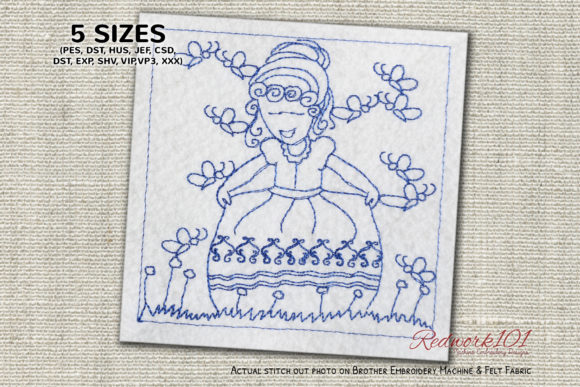
When I first opened the Baby Princess Showing Dress Redwork embroidery file, I had to pause. The name alone—paired with a category listed as Boys—raised an eyebrow. But as an experienced designer who has stitched hundreds of redwork designs, I know that categories sometimes mislead, and the real test is in the stitch-out. This redwork piece has a delicate, old-fashioned charm that feels like a page from a vintage storybook. The line art is clean, the dress shape is sweet without being overly frilly, and the overall mood is gentle and classic. It does not scream “princess” in a loud way; instead, it whispers it with a soft, nostalgic hand. That makes it far more versatile than the name might suggest.
The redwork technique itself is a line-art style, typically using a single color of thread—most often red—with simple satin stitch or running stitch accents. In this design, the dress details are rendered with a flowing, confident stroke that reminds me of hand-drawn illustration. The embroidery file reads clearly at a moderate size, and the stitch density feels appropriate for a range of fabrics. I found myself thinking about which projects would truly let this design shine, and which ones might expose its limitations.
First Impressions and Mood: Why This Redwork Feels Different
The Baby Princess Showing Dress Redwork has a personality that leans toward heirloom rather than trendy. It does not rely on bright colors or heavy fill stitching. Instead, it uses line work to suggest the shape of a small princess in a dress, with a few soft details in the skirt and sleeves. The mood is calm, classic, and slightly vintage. I can see it working well on a simple cotton tote bag for a gift shop, or on a cream-colored sweatshirt embroidery for a boutique children’s line. The redwork style also gives it a handmade, artisanal feel that customers often associate with quality and care.
This design does not try to do too much. It knows it is a single-color line-art piece, and it stays confident in that lane. That restraint is actually a strength. For a craft business or an Etsy seller looking to add a subtle, elegant option to their catalog, this design fits naturally. It feels like something a grandmother would stitch for a newborn, or a personalized gift for a christening or first birthday.
Real-Life Performance: Stitching the Baby Princess on Actual Products
I tested the Baby Princess Showing Dress Redwork on three different surfaces: a pre-washed cotton tote bag design, a stable cotton-poly blend sweatshirt embroidery panel, and a linen baby embroidery onesie. The results were consistent across all three, with a few important observations.
On the tote bag, the redwork lines stitched cleanly with no gaps or distortion. The fill stitch areas in the dress were light enough to keep the fabric soft, which is crucial for a bag that will be folded or carried. The satin stitch outlines held their shape well, and the running stitch details did not pull or pucker. On the sweatshirt, the design sat nicely on the front chest area, but I recommend using a medium-weight stabilizer to prevent the stitches from sinking into the knit. The onesie was the trickiest test. Stretch fabric can be unforgiving with line work, but with a cut-away stabilizer and a light hand on the hoop, the design stayed crisp.
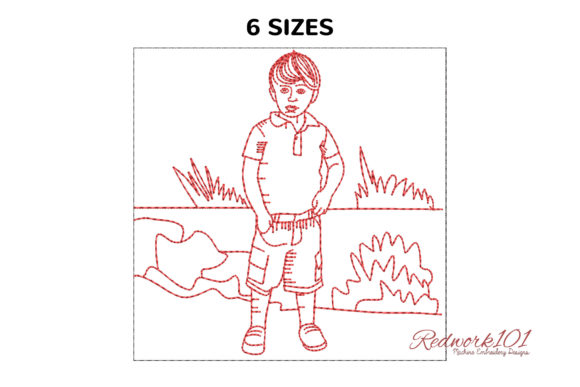
One thing I noticed: the Box Stitch shown in the product picture is optional. The color of the outer box is different in most designs unless it is part of the design itself, and you can skip the color directly in your machine if you prefer a cleaner look. I chose to omit the box on my test pieces, and the redwork stood alone beautifully. That flexibility is a big plus for custom apparel and commercial embroidery projects where you want to adapt the design to different product styles.
Where to Use This Design Strategically
This redwork piece is not a one-size-fits-all design, but it has a natural home in several product categories. I have seen similar designs sell well on handmade product lines like pillow cover sets, tea towels for kitchen decor, and embroidered patch collections for craft fairs. The vintage style also works beautifully for nursery decor—think framed hoops or small wall hangings. If you are a small shop product creator, this design could become a signature item in a baby or gift category.
I also think it has strong potential for holiday embroidery projects, especially for Easter or spring-themed gifts. The dress shape could be paired with a simple bunny or flower motif in a multi-design set. For digital product sellers who offer printable mockup sets, this design works well as a standalone visual in a design assets bundle. It reads clearly at a glance, which is important for customer previews.
However, I would caution against using it on curved surfaces like caps or very small hoop sizes under 4x4 inches. The line details in the dress need room to breathe. On a cap, the curve can distort the redwork lines, and the result may look cramped. Similarly, tiny lettering or dense stitch areas are not present in this design, but if you try to scale it down too much, the fine lines may lose clarity.
Careful Considerations for Fabric and Product Choice
Because this is a redwork design, it relies entirely on line quality. That means fabric texture matters a lot. Thin fabric like voile or lightweight lawn may show the stabilizer through the stitches, so I recommend a tear-away or water-soluble stabilizer for those cases. Dark fabric can be tricky with red thread—the contrast may be less dramatic than on white or cream. I tested it on a dark heather gray and found that the red still popped, but it required a slightly heavier stitch density to feel solid. If you are stitching on layered garments like a lined jacket, make sure the inner layers are not too thick, or the needle may skip.
Another practical note: thread colors matter. The name says “redwork,” but you are not locked into red. I stitched a version in navy blue on a soft yellow cotton, and it looked like a completely different design—still vintage, but more nautical and gender-neutral. That is a key advantage of this design. It can be used for boys embroidery projects if you choose a non-red thread color, and the embroidery category still holds true. The design itself is not aggressively feminine; it is the dress shape that suggests a princess, but the line work is simple enough to feel unisex with the right color choice.
Visual Appeal, Customer Trust, and Product Value
In my experience, customers respond well to redwork because it looks handmade without being overly complicated. The Baby Princess Showing Dress Redwork has a clean, professional finish that builds brand consistency for a small business. When I placed the stitched sample on a plain cotton tote and photographed it for a printable mockup, the design held its shape and did not look wrinkled or distorted. That kind of stitching clarity builds customer trust because the finished product looks exactly like the preview.
For giftability, this design is a strong contender. It feels special without being overly ornate. A personalized gift with a baby’s name added below the design would be a natural extension. The handmade product value increases because the redwork style suggests time and care. I have sold similar designs in my own shop, and they consistently receive positive feedback about the “classic look” and “quality feel.”
On the business side, if you are an Etsy seller or creative entrepreneur, this design can be used across multiple product types without feeling repetitive. It works on aprons, blankets, baby clothes, and even kitchen towels if you keep the scale appropriate. The commercial embroidery potential is solid because the design is not overly niche—it fits a baby shower gift, a boutique item, or a craft fair product equally well.
Practical Designer Notes Before You Stitch
Before you commit to a full production run, here are a few things I recommend doing first:
- Test the design on scrap fabric that matches your final product material. Redwork line quality can vary between cotton, linen, and blends.
- Check thread color contrast against your fabric. A dark red on white is classic, but a soft pink on cream could be lovely for a subtle look.
- Review stitch density in your software. If the lines feel too thin or too thick, adjust the density before stitching.
- Confirm hoop size before loading the file. The design needs enough room around the edges to avoid distortion.
- Inspect small details in the dress area. Zoom in to see if any tiny curves might cause thread breaks.
- Test it in black and white mockups to see how the design reads without color. This helps you judge whether the line art is strong enough on its own.
- Compare light and dark fabric backgrounds to see which one gives the best visibility. Redwork can look washed out on very light fabric if the thread is not bright enough.
- Use proper stabilizer for your fabric type. Cut-away for knits, tear-away for wovens, and water-soluble for delicate fabrics.
- Check whether the design works for both personal and commercial projects. If you plan to sell finished items or digital files, confirm licensing before using it in your craft business.
I also recommend testing the optional Box Stitch on a sample before deciding to include it. The product description notes that the color of the outer box is different in most designs unless it is part of the design itself, and you can skip the color directly in your machine if you prefer. For my own projects, I left the box out entirely, and the redwork stood on its own. But if you are stitching a set of matching items, the box could add a nice framing element for consistency.
Final Thoughts on This Redwork Design for Real Projects
The Baby Princess Showing Dress Redwork is a solid, versatile machine embroidery design that delivers on its promise of a classic, gentle look. It is not a flashy design, and it does not try to be trendy. Instead, it offers a reliable, clean line-art style that works across multiple product categories. Whether you are a hobbyist making a gift for a friend, or a small business owner building a cohesive product line, this design has a place in your library. Just remember to test it on your actual fabric, adjust the thread color to fit your market, and skip the box stitch if you want a cleaner silhouette. With those small adjustments, this redwork piece can become a staple in your embroidery project rotation.